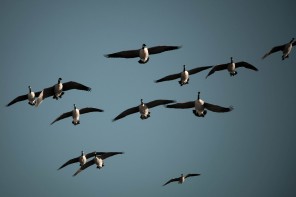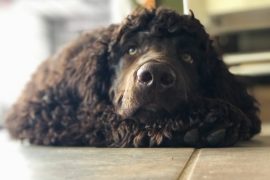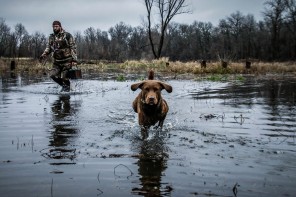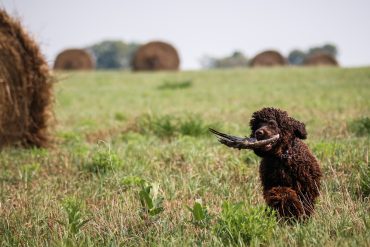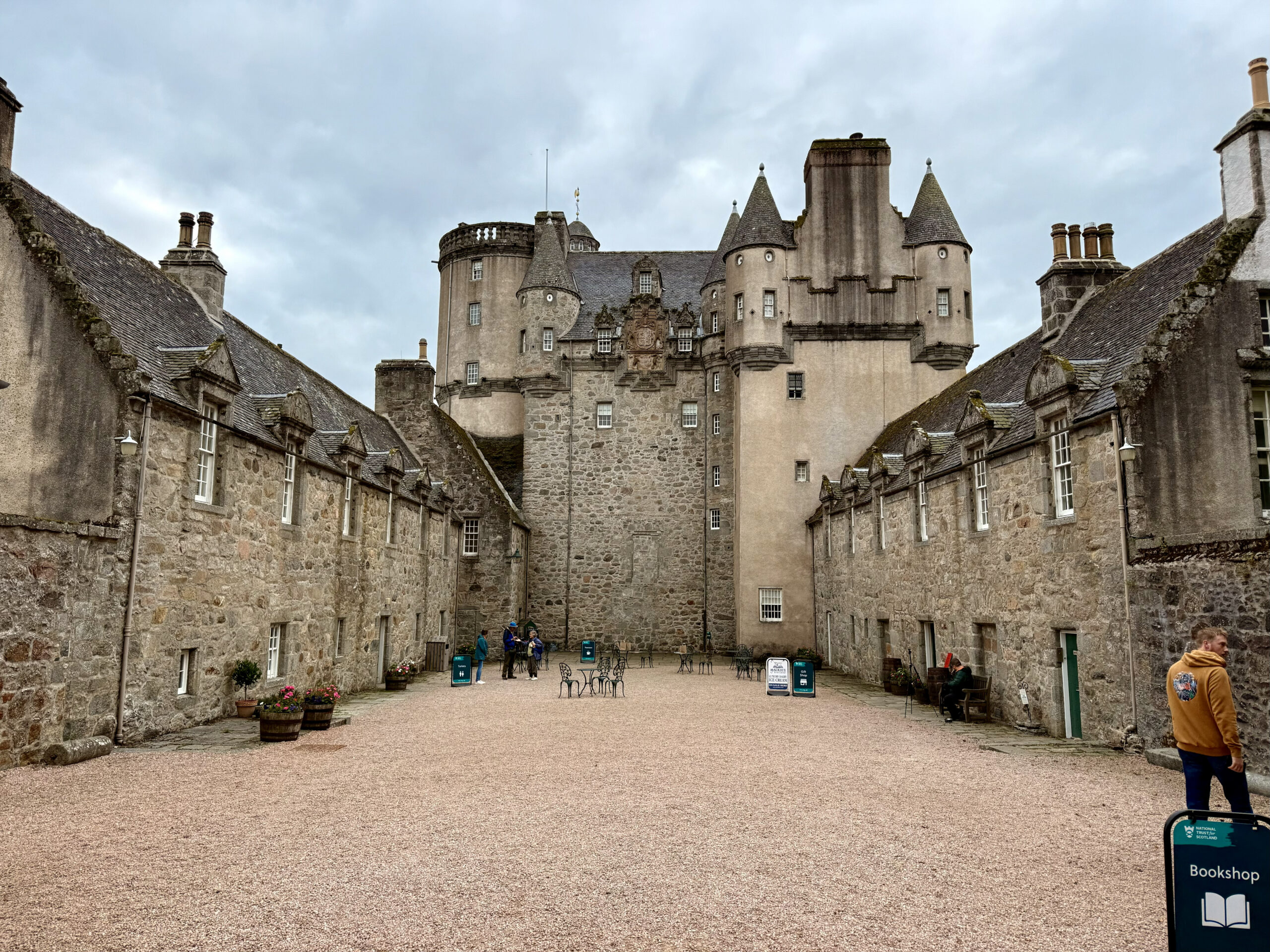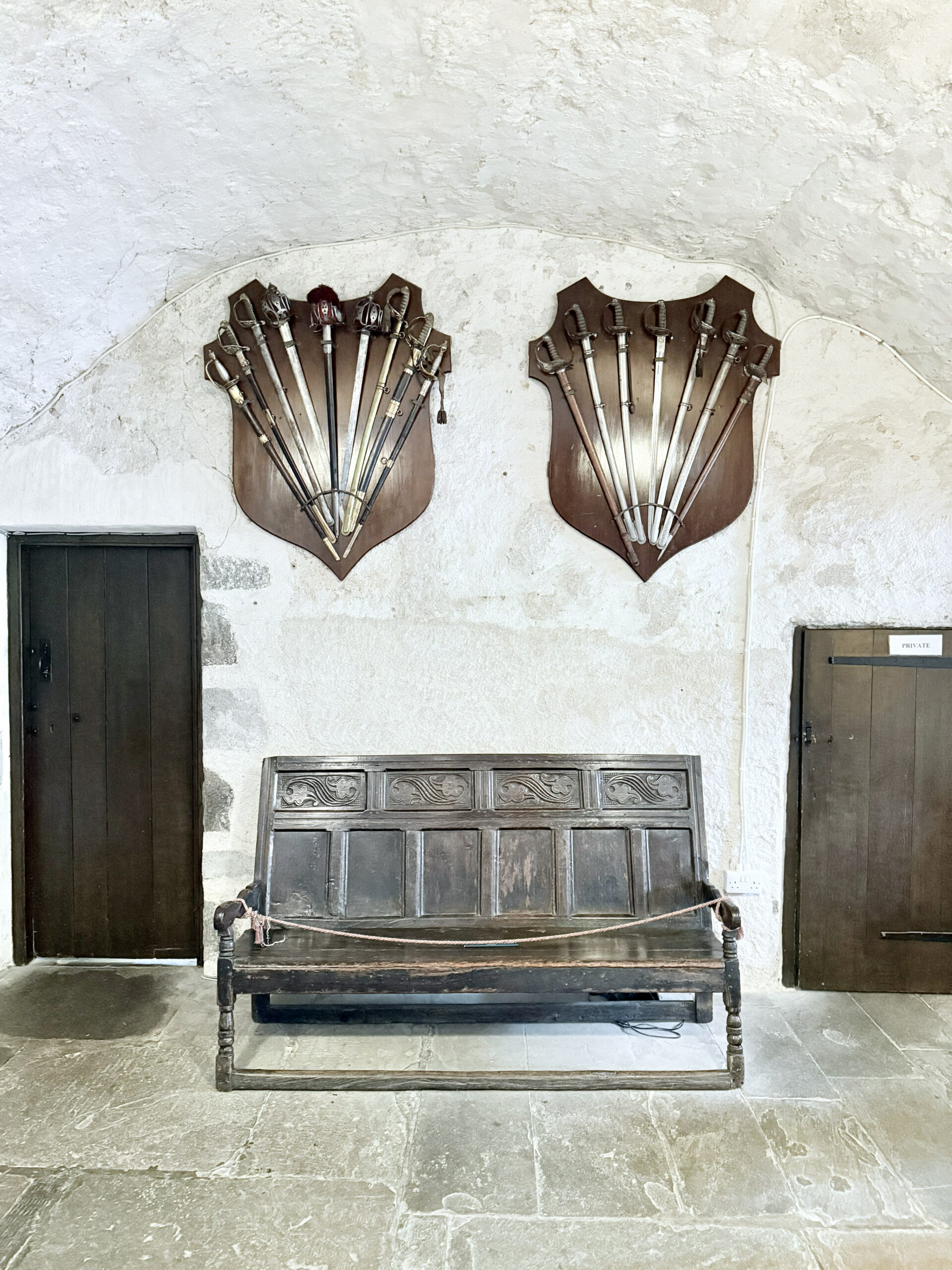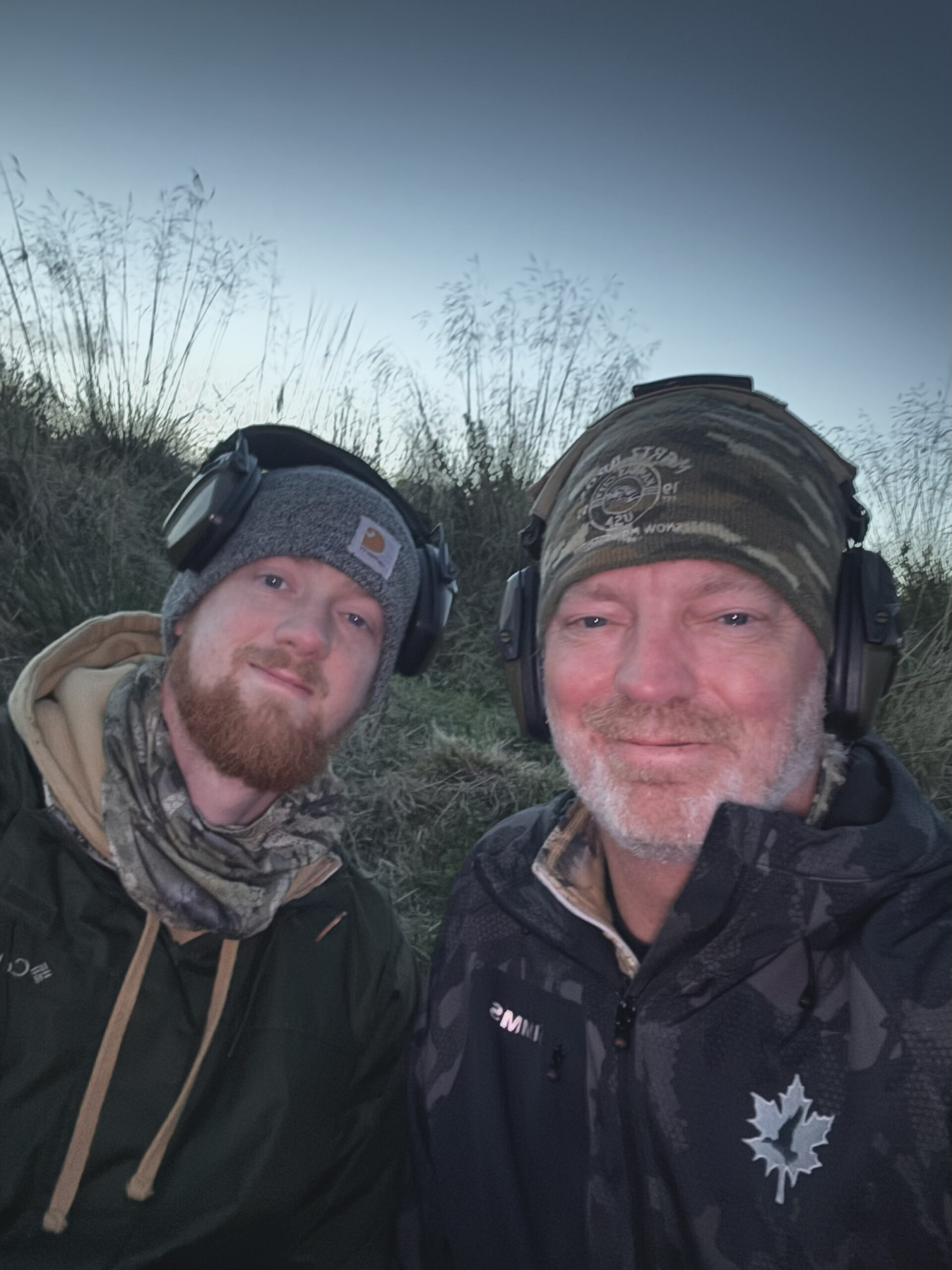
After the goose fields emptied and the sky softened, we traded camo for quiet and drove back north toward our stay and Fraser Castle, nearby. The place feels timeless – part fortress, part fairytale – with its stone walls rising against the gray. I wandered slow, tracing my hand across weathered doors, worn steps, and windows that have seen more history than a dozen lifetimes.
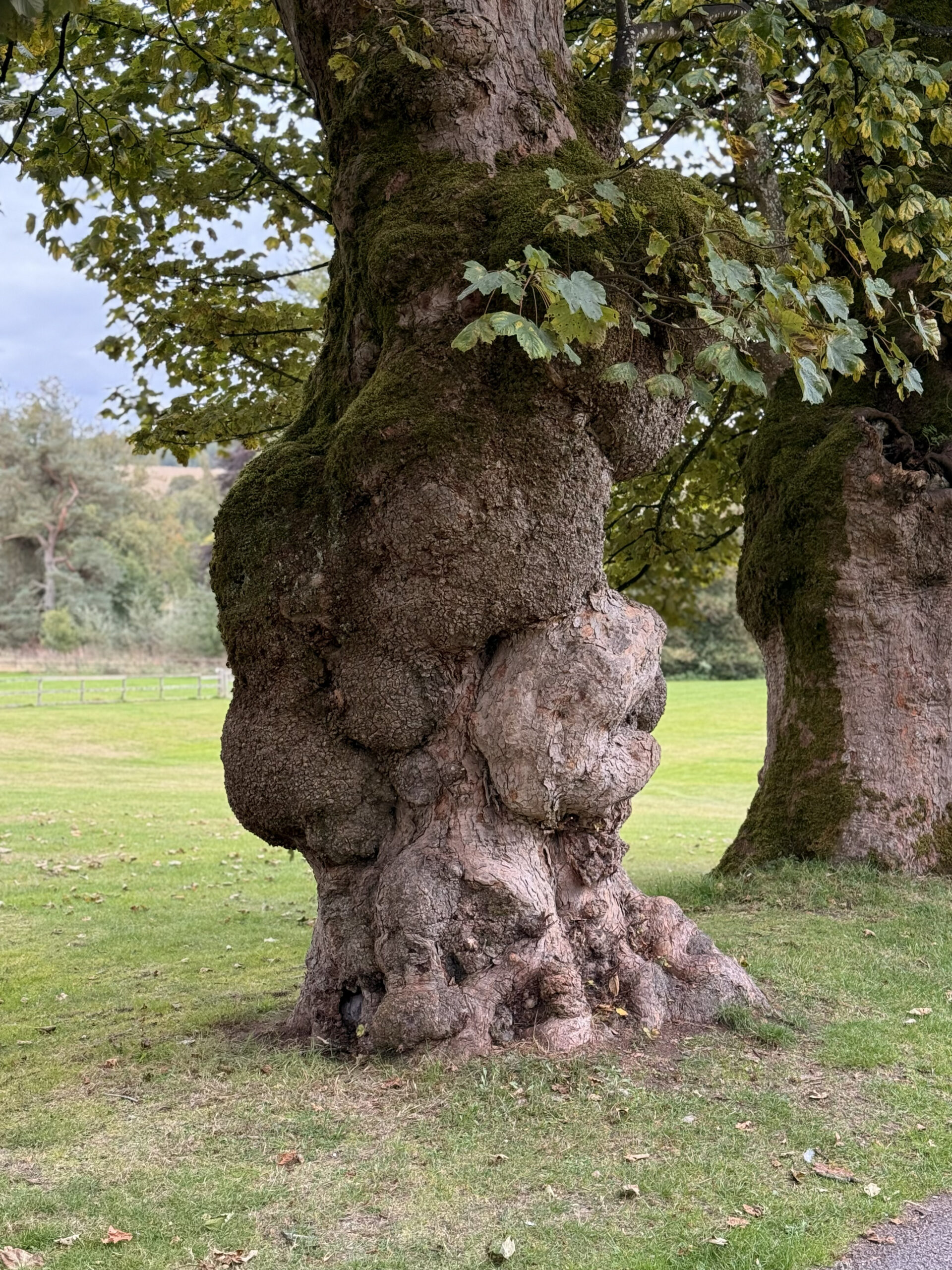
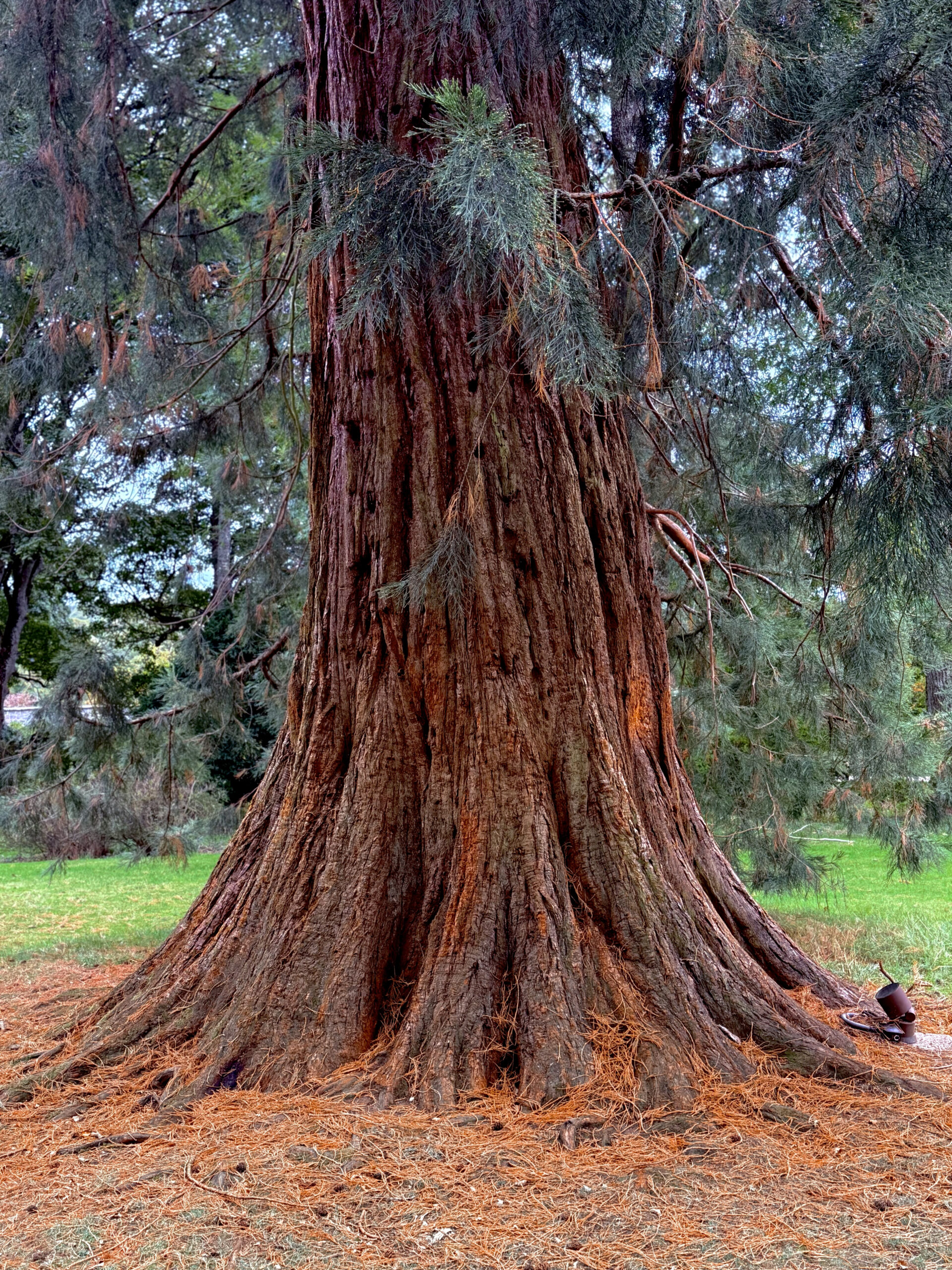
Outside, I found myself doing what I always do – photographing trees. Twisted, massive, full of character. They stand there like sentinels, scarred and patient, holding stories just as deep as any wall. I’ve done it everywhere I go; Savannah, Colorado, the Highlands, doesn’t matter. Something about the way they endure pulls me in every time.
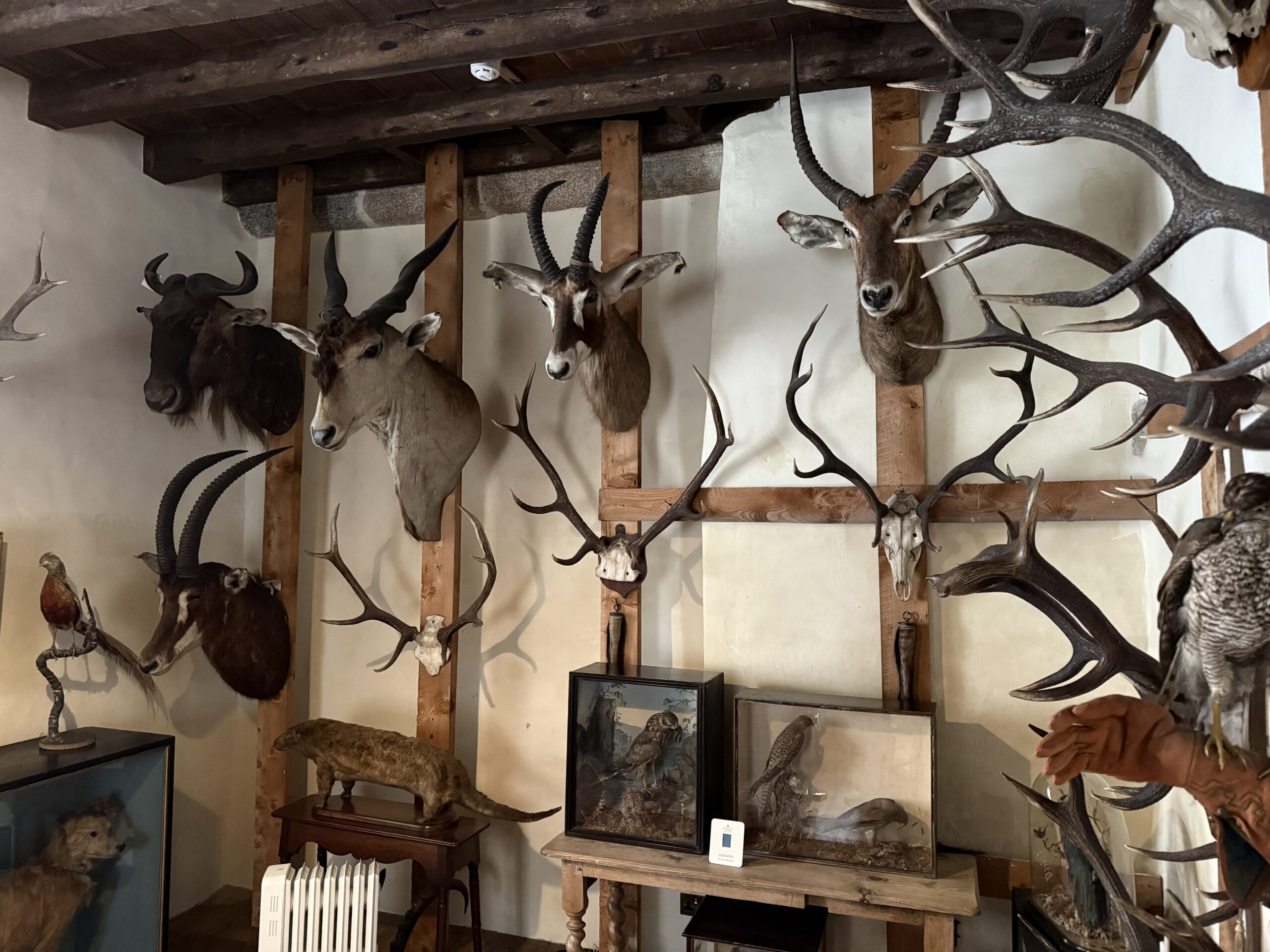
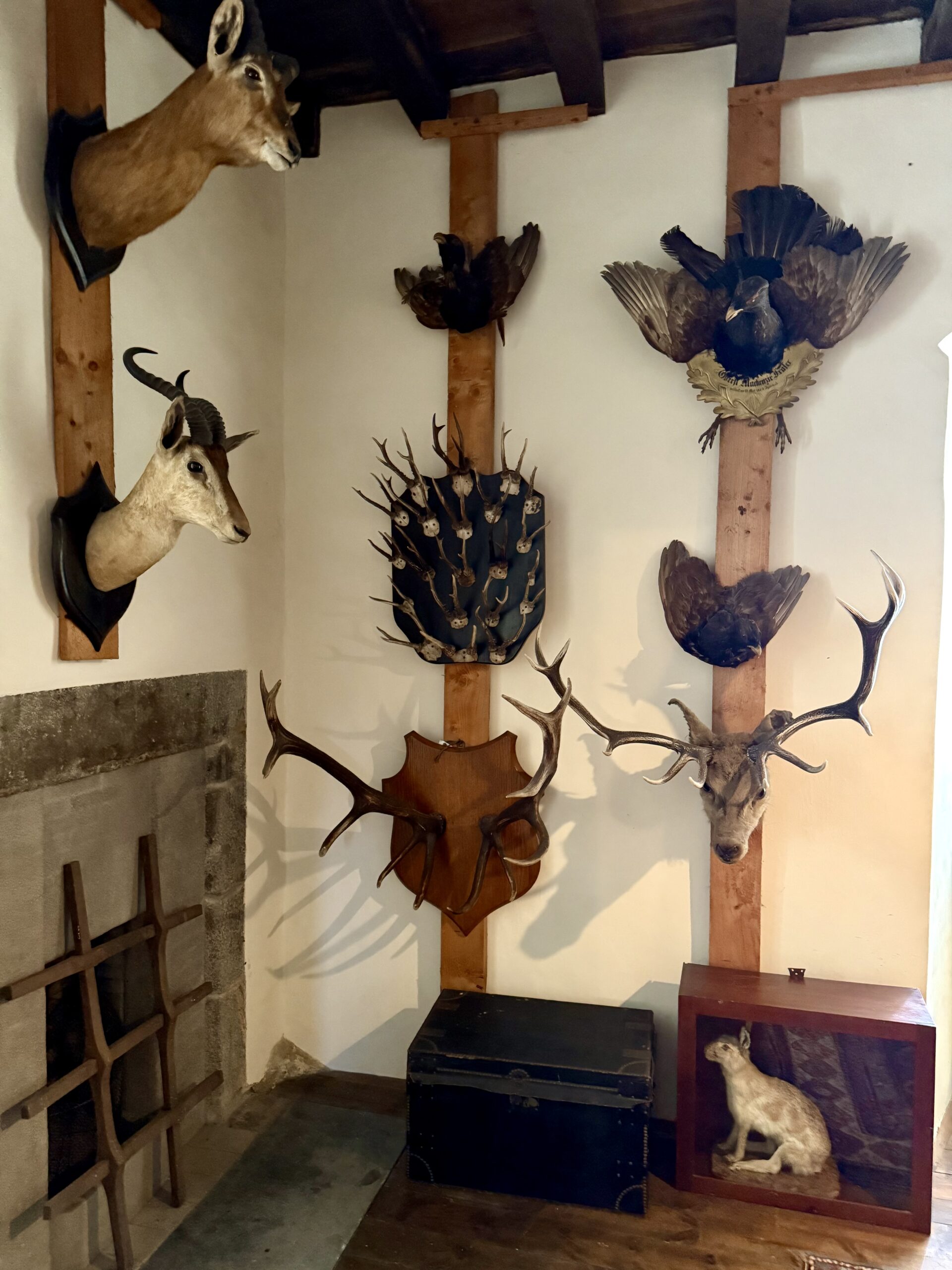
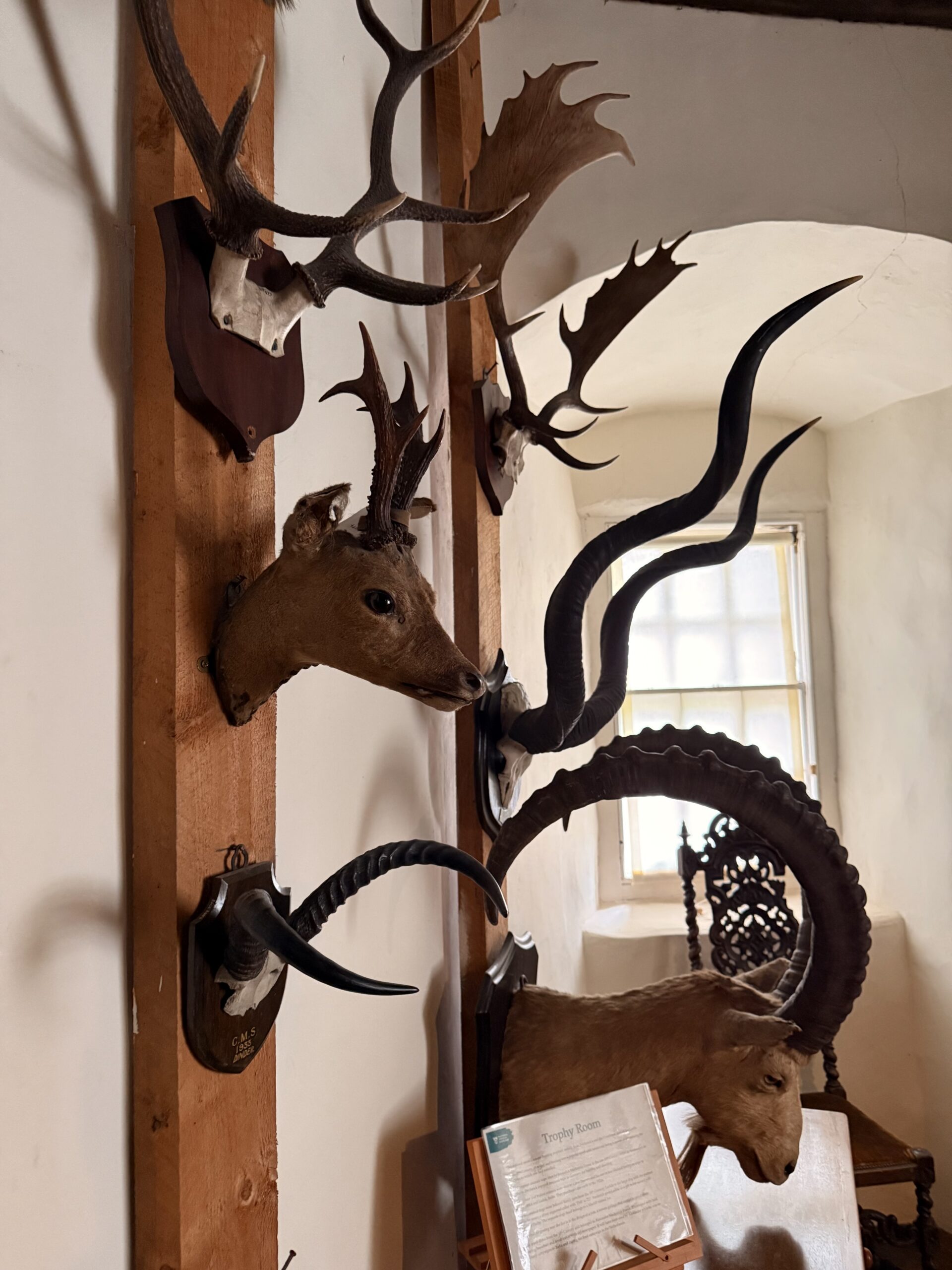
Inside, we stepped into the Trophy Room – a space that stopped us both in our tracks. Antlers and horns from across continents lined the walls, every mount a story, every shadow a reminder of generations who came before. It wasn’t just a display of hunting; it was a heritage, captured in wood and fur and bone.
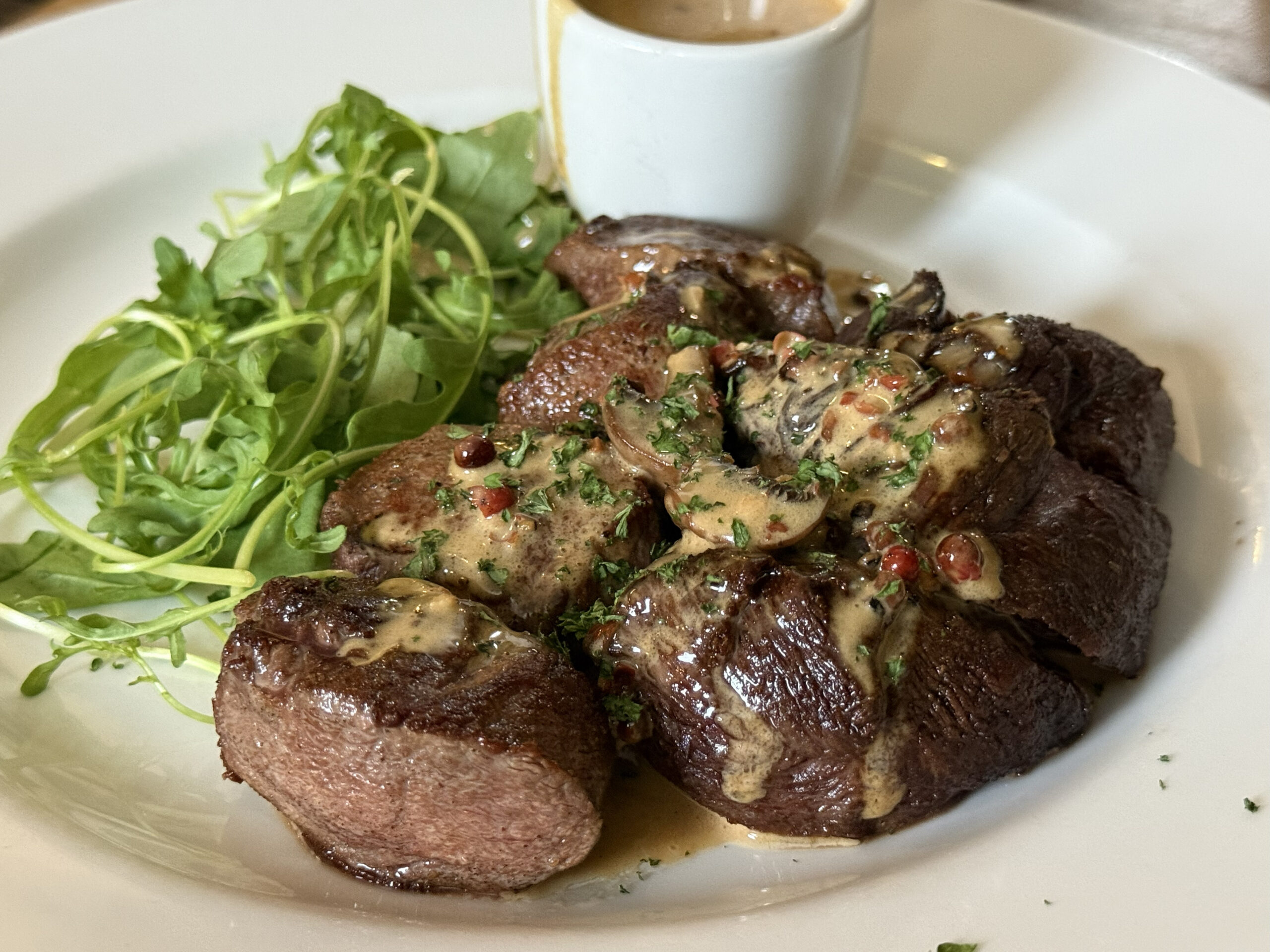
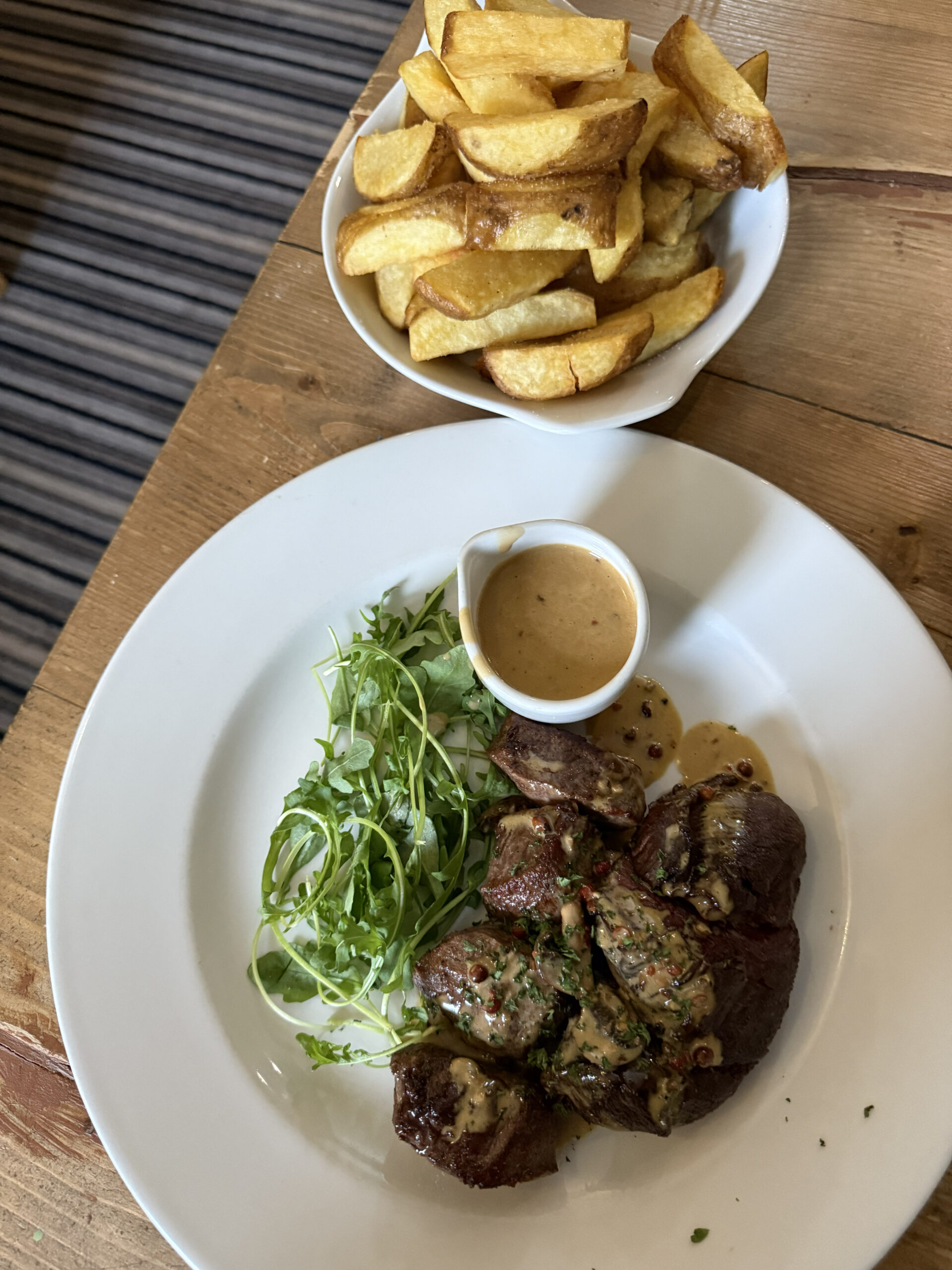
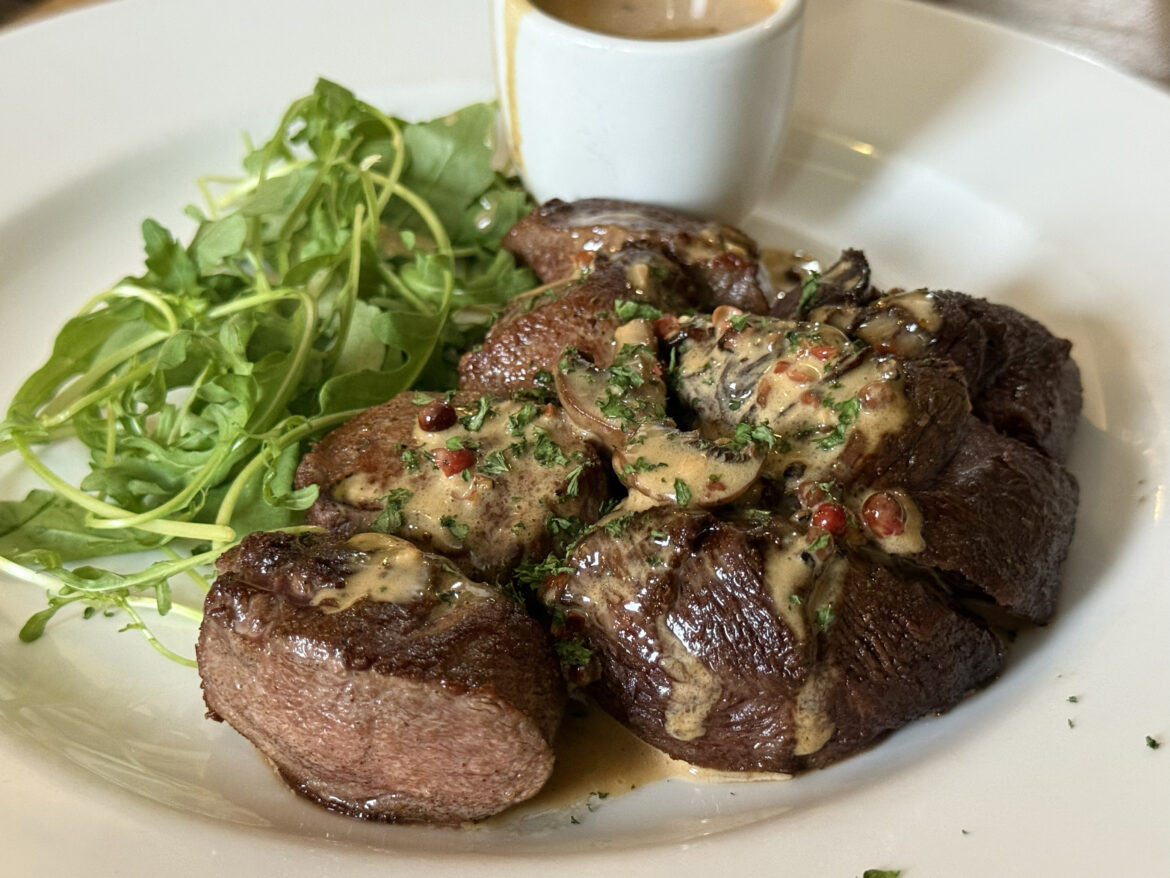
Back at the Bennachie Lodge, dinner that night was unforgettable. The chef seared backstrap medallions from Ashton’s Roe buck alongside the morning’s pinkfoot goose, and it tasted like the whole day distilled into a single plate – wild, earned, and honest.
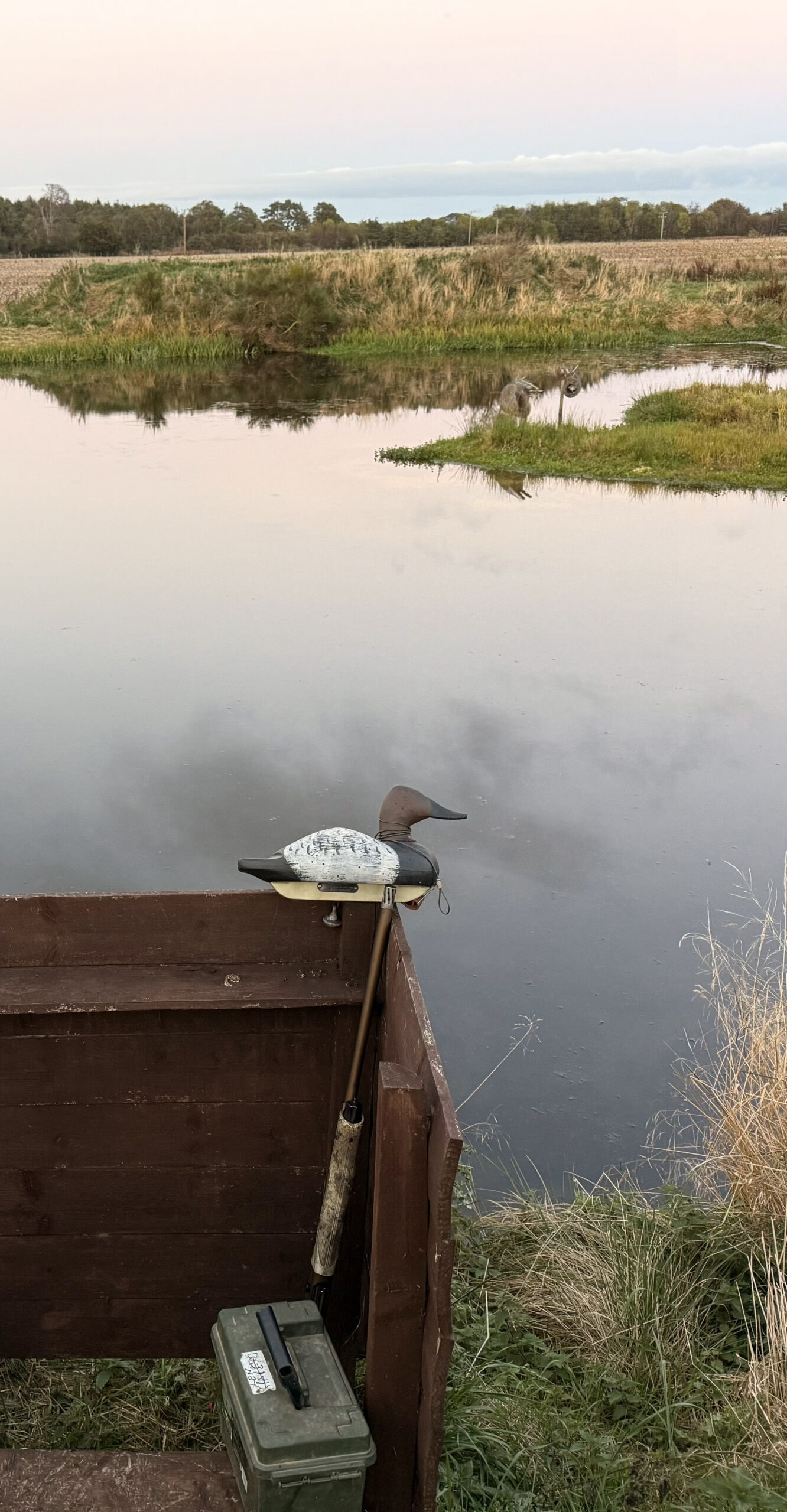
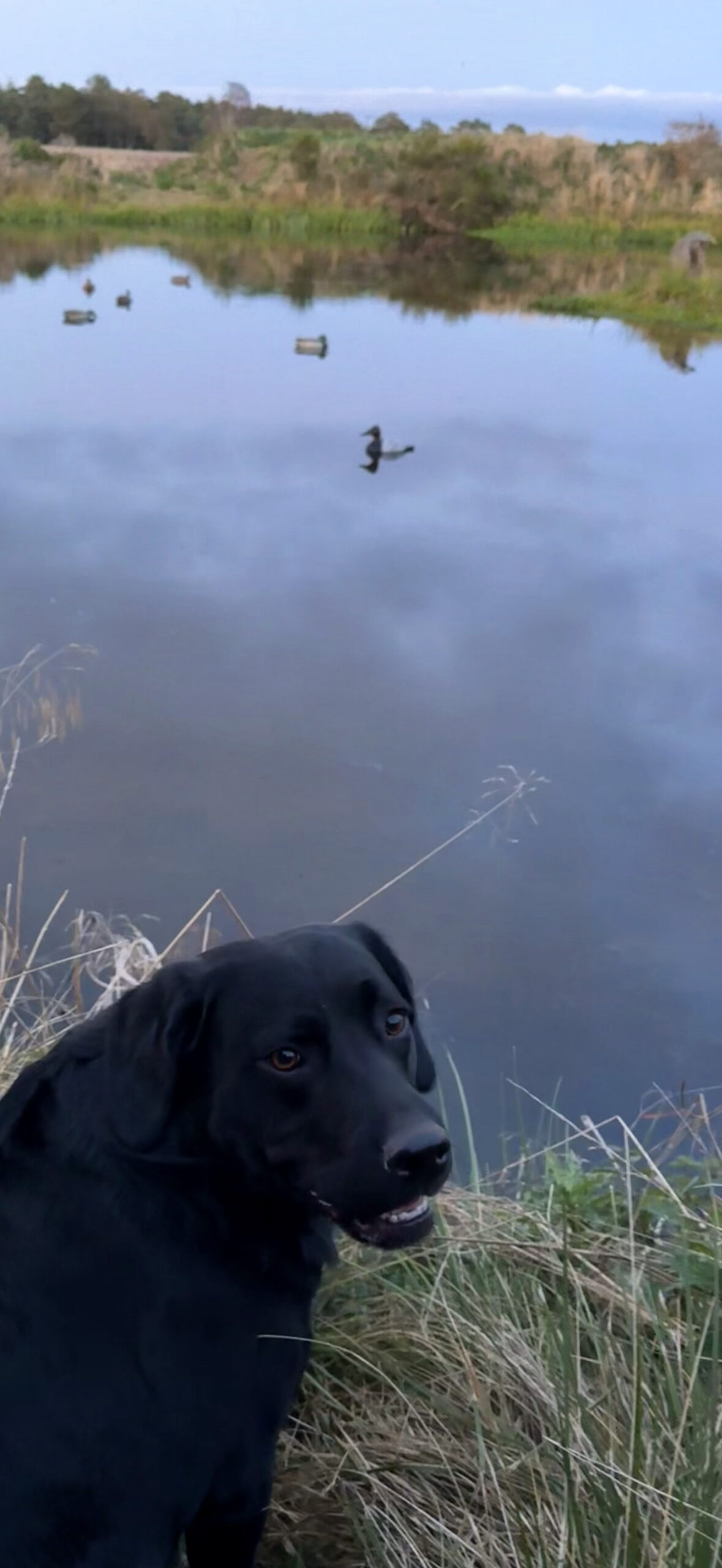
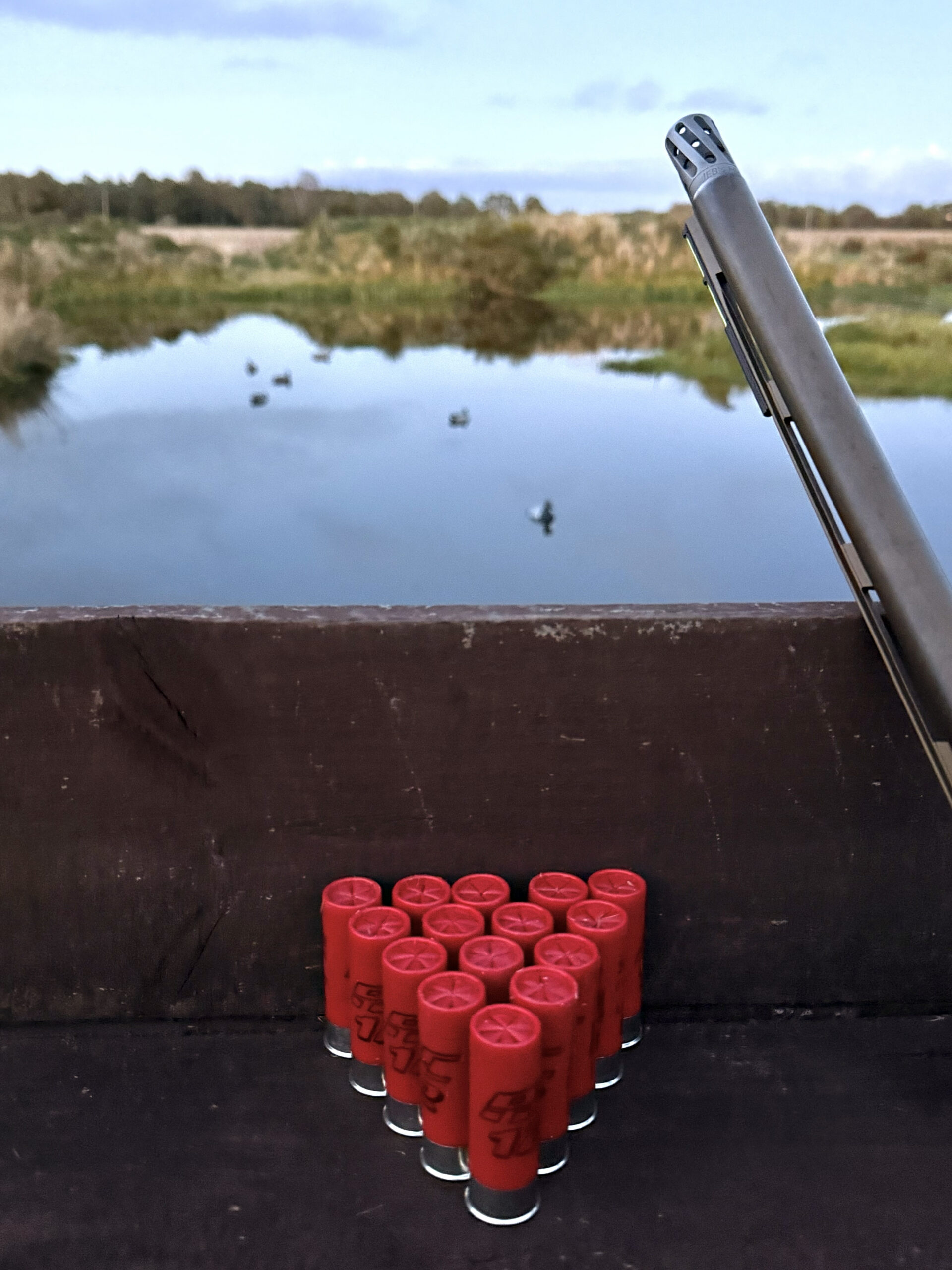
Then came the night hunt, something we could never do back home. After sunset, the world turns to silhouette. The air cools, and every sound feels sharper. We set up near the water – a small pond under a fading violet sky – and waited as Eurasian teal and mallards ghosted through the dark.
In front us floated one special decoy – my canvasback – the one molded with my dad’s ashes. I’d packed it so he could travel with us to Scotland, to watch the birds settle and feel the wind again. He would’ve liked that. Maybe he did. When the first shots echoed over the water, it felt less like taking and more like connecting – to him, to this place, to something old and unbroken.